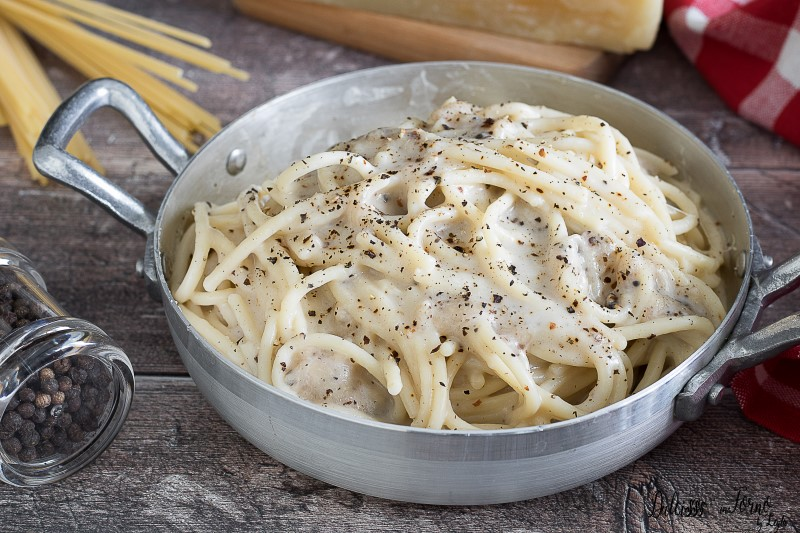
I used to think Cacio e Pepe was just mac and cheese for adults. Oh, how wrong I was. I have a vivid memory of my third attempt ending in a clumpy, stringy disaster that my dog wouldn’t even eat. The simplicity of it is a trap. It’s a recipe that demands respect, a little technique, and a lot of black pepper. But when you get it right? When the cheese and pasta water emulsify into a creamy, sharp, peppery sauce that clings to every strand? It’s pure alchemy.
Quick Look
| Prep | Cook | Total | Feeds | Level |
|---|---|---|---|---|
| 5 mins | 15 mins | 20 mins | 2 people | Intermediate |
Why You’ll Love This Recipe
- It uses only 5 ingredients. It’s the ultimate pantry pasta.
- Mastering this is a right of passage. You’ll feel like a Roman nonna.
- It’s unbelievably fast and luxurious, the perfect “I have nothing to eat” dinner that feels special.
Grab These
- 6 oz. spaghetti (I know, it seems like a weird amount, but it’s perfect for two and easier to emulsify)
- 1 ½ cups finely grated Pecorino Romano (get a wedge and grate it yourself—the pre-grated stuff has anti-caking agents and will never melt properly)
- 1 tbsp whole black peppercorns
- Kosher salt
Let’s Make It
This is less of a recipe and more of a technique. First, get your mise en place ready because things move fast. Finely grate your Pecorino into a bowl. Now, for the pepper. You want a coarse grind, not a fine dust. I use a mortar and pestle because I love the control, but a spice grinder or just crushing them under a heavy pan works too. You’re looking for a mix of coarse and fine bits.
Toast your pepper. This is the step that separates the good from the great. Add the cracked pepper to a cold, large skillet (you’ll finish the pasta in this). Turn the heat to medium and toast, swirling the pan, for about 60-90 seconds until it’s incredibly fragrant. Don’t let it burn! Transfer the toasted pepper to a small bowl for a moment.
Now, cook your spaghetti in a pot of well-salted water. But here’s the trick: you want it very al dente, because it’s going to finish cooking in the skillet. About 2 minutes less than the package says. Before you drain, scoop out about 1 ½ cups of the starchy pasta water. This liquid gold is the key to our sauce.
Add about ½ cup of that pasta water to the skillet you used for the pepper and bring it to a simmer over medium heat. Use tongs to transfer the drained spaghetti directly from the pot to the skillet. Toss and swirl the pan, letting the pasta drink up the water and finish cooking. This is called the risottare method, and it’s the real secret. The starches will start to thicken the water.
Take the skillet off the heat. This is critical. If the pan is too hot, the cheese will seize up into a clumpy mess. Let it cool for about 30 seconds. Now, add your grated Pecorino and a splash more of the pasta water. Toss, toss, toss! It will look a little watery at first, but keep tossing vigorously. The cheese and water will magically emulsify into a creamy, smooth sauce that coats every strand. If it seems too thick, add another splash of water. Season with a tiny bit of salt (Pecorino is salty!) and toss in your toasted pepper. Serve immediately.
Nutritional Facts (Per Serving)
| Nutrient | Amount |
|---|---|
| Calories | ~ 480 kcal |
| Protein | 22g |
| Carbohydrates | 65g |
| Fat | 15g |
| Fiber | 3g |
| Sugar | 2g |
| Note: Values are estimates |
Variations & Add-Ins
- Add a vegetable: Sauté some thinly sliced zucchini or asparagus tips in the skillet before you add the pasta water.
- Cacio e Pepe “upgrade”: A little lemon zest stirred in at the end is chef’s kiss.
- For a touch of luxury: Top with a soft-poached egg.
Serving Ideas
- This is the definition of a solo dinner or a romantic meal for two. It doesn’t need anything else, though a bitter radicchio salad afterwards is a classic Roman move.
Storage & Reheating
This pasta is best eaten the second it’s done. It does not reheat well—the sauce breaks and it becomes greasy. Make it fresh, every single time.
My Two Cents
Take the pan OFF THE HEAT before you add the cheese. I’m shouting because I’ve messed this up so many times. The residual heat is all you need to melt the cheese into a creamy sauce. High heat is the enemy.
You Asked, I’m Answering
- “My sauce got clumpy and stringy! Help!” Welcome to the club. It means your pan was too hot. Next time, let it cool down more. To save it, add a tablespoon of cold butter and a big splash of the hottest pasta water and whisk like crazy. It might come back.
- “Can I use Parmesan instead?” You can, but the flavor profile changes. Pecorino is sheep’s milk—sharper, saltier, and more complex. A 50/50 mix of Pecorino and Parmigiano-Reggiano is a common and delicious compromise.